Martín Chirino
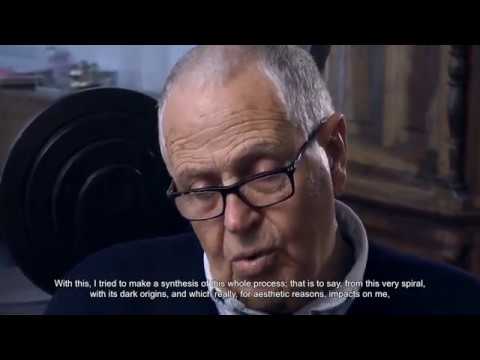
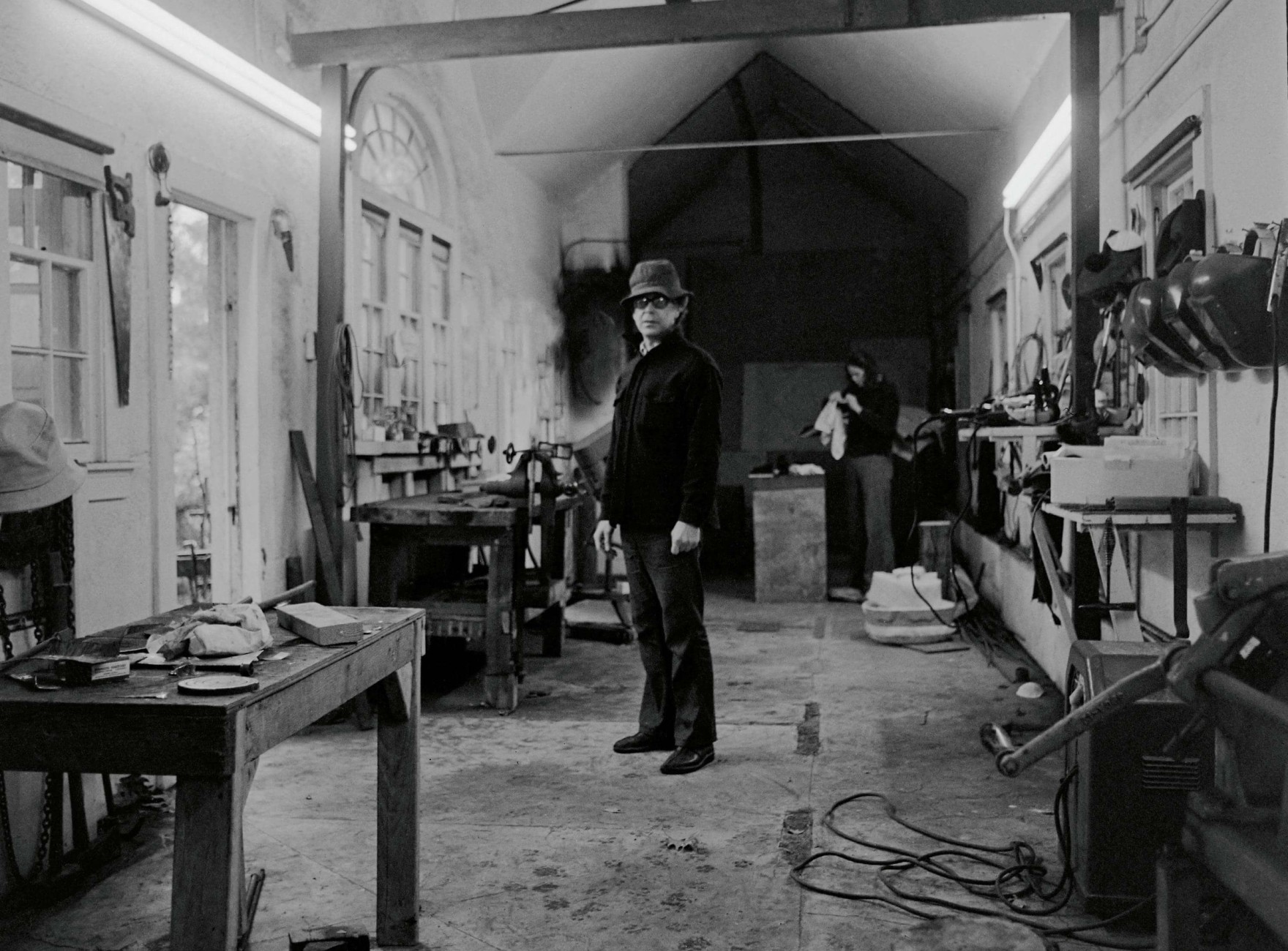
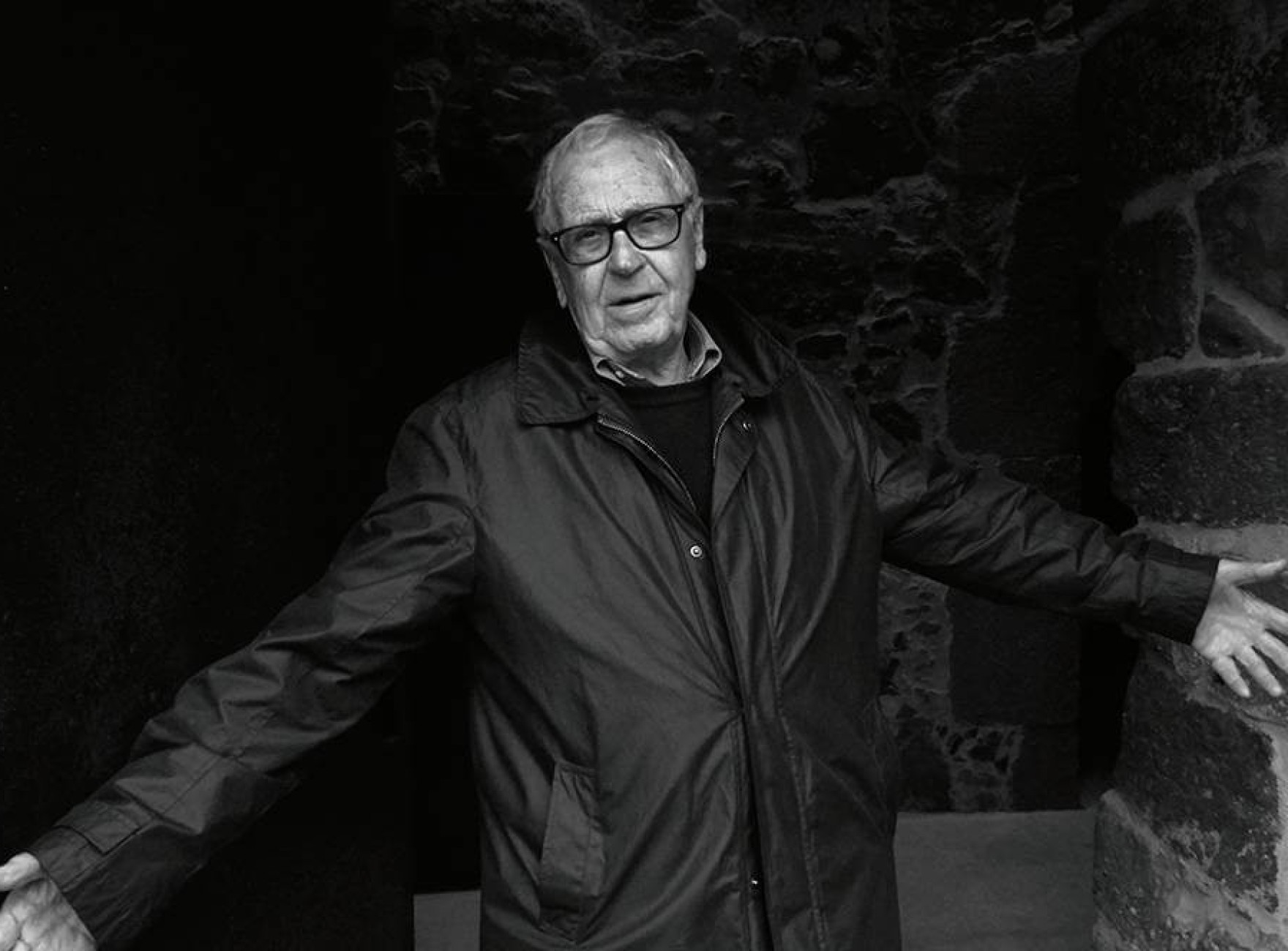
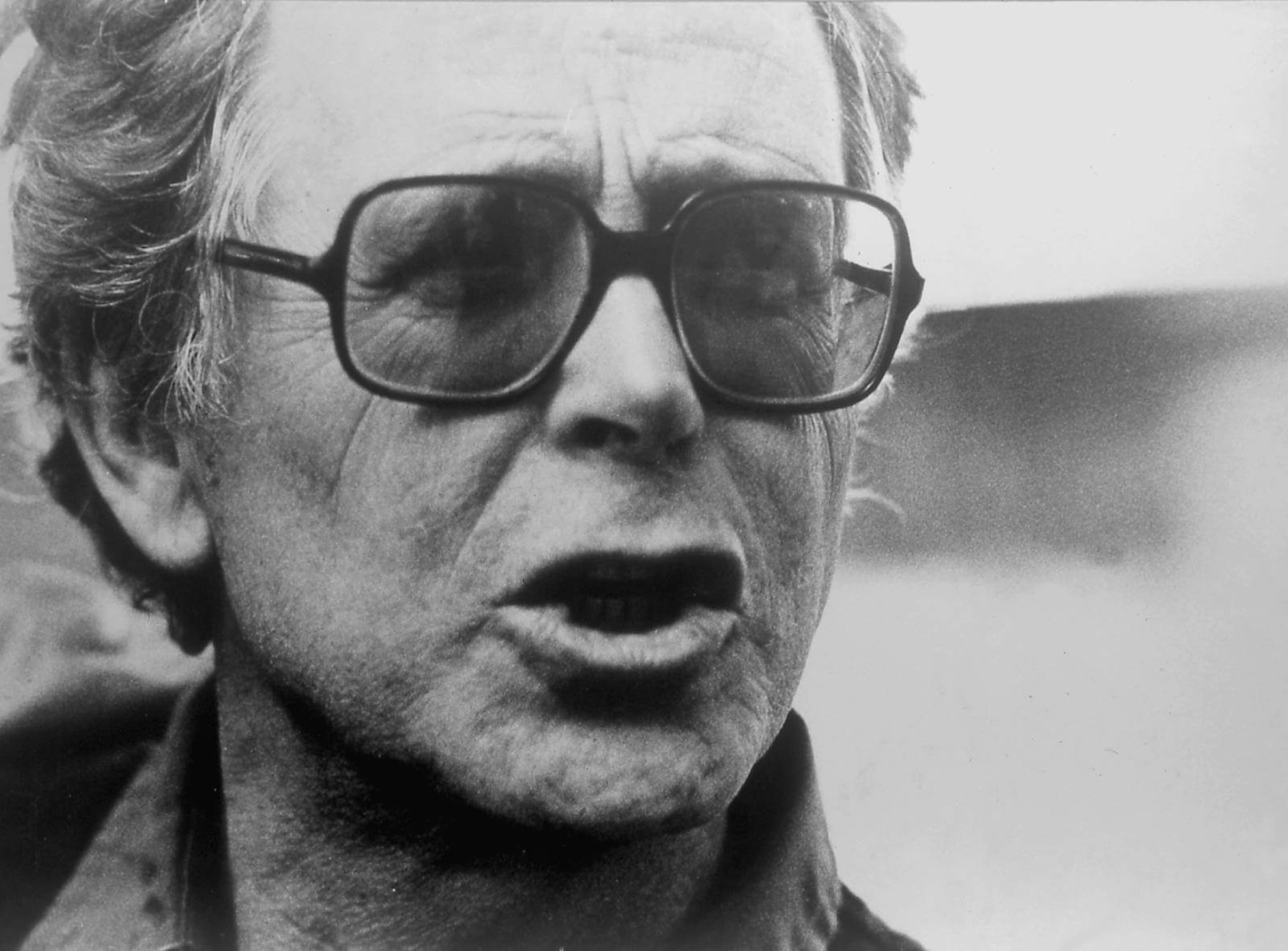
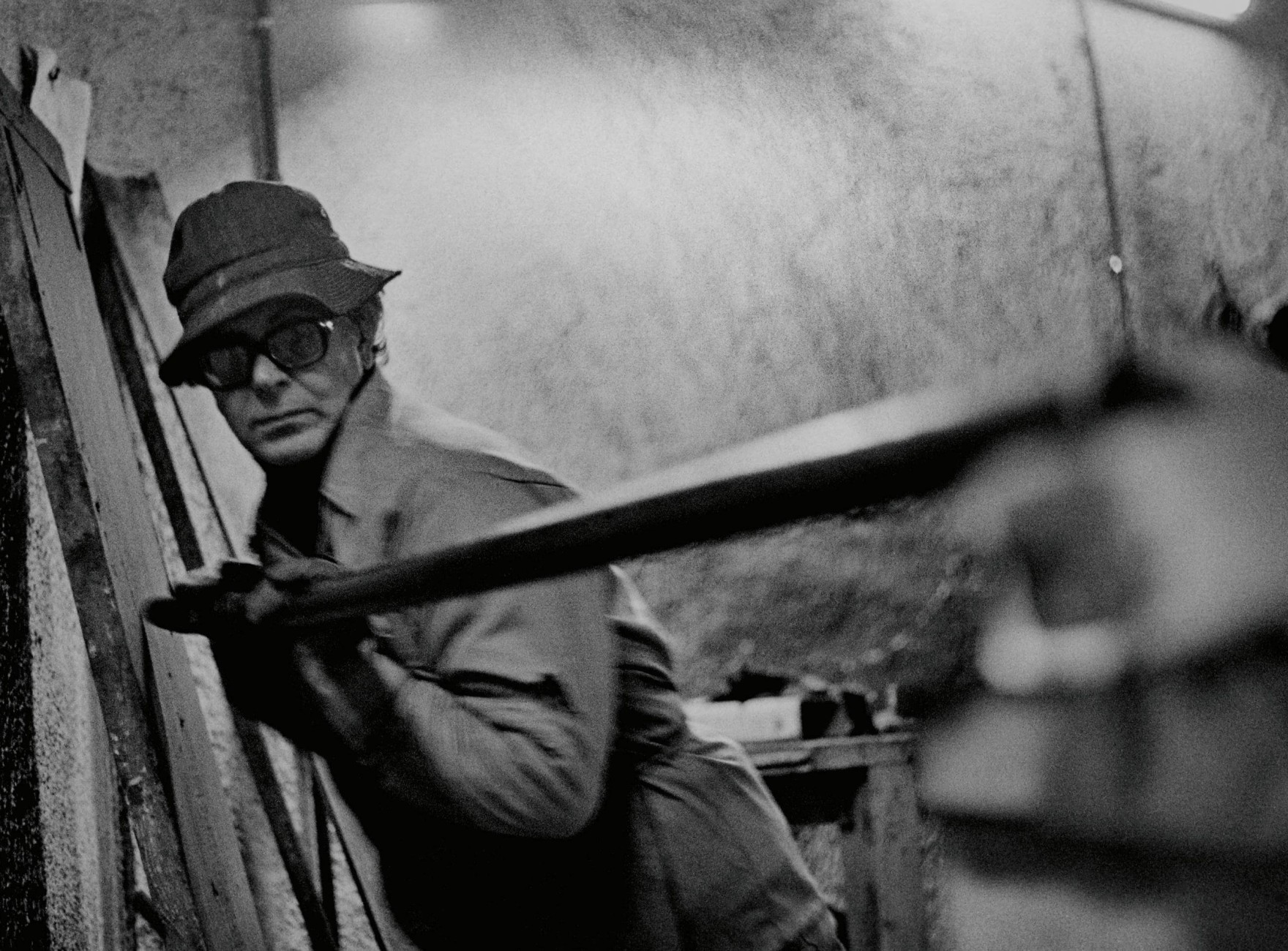
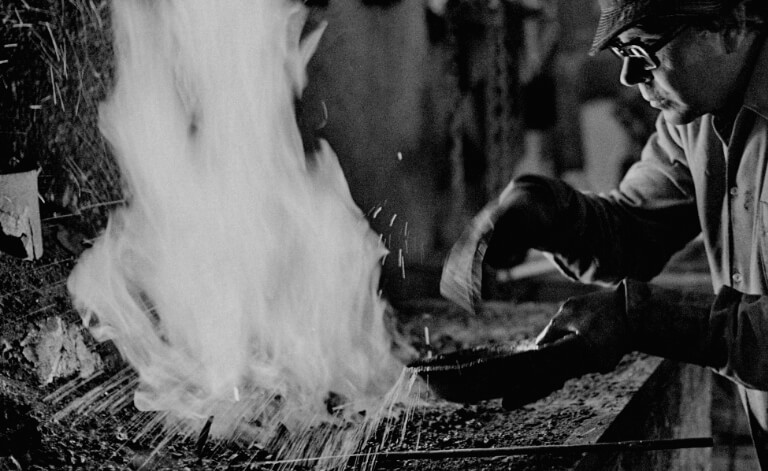
Martín Chirino was born right by the seashore in Las Palmas de Gran Canaria in 1925, into a family traditionally linked to the shipyards at the Port of La Luz. The knowledge he picked up as a child served as a tool while introducing him into a world that filled him with great wonder and passion for the crafting of iron and wood carving. These were decisive circumstances in the development of the sculptor, as the two factors that best define his works are the continual references made to his homeland, on which its ancenstral culture had a powerful influence, and the use of wrought iron as a means of artistic expression; it was a traditionally Spanish craft, which, as Antonio Saura said, he was able to synthesise with all the latest current concerns related to space.
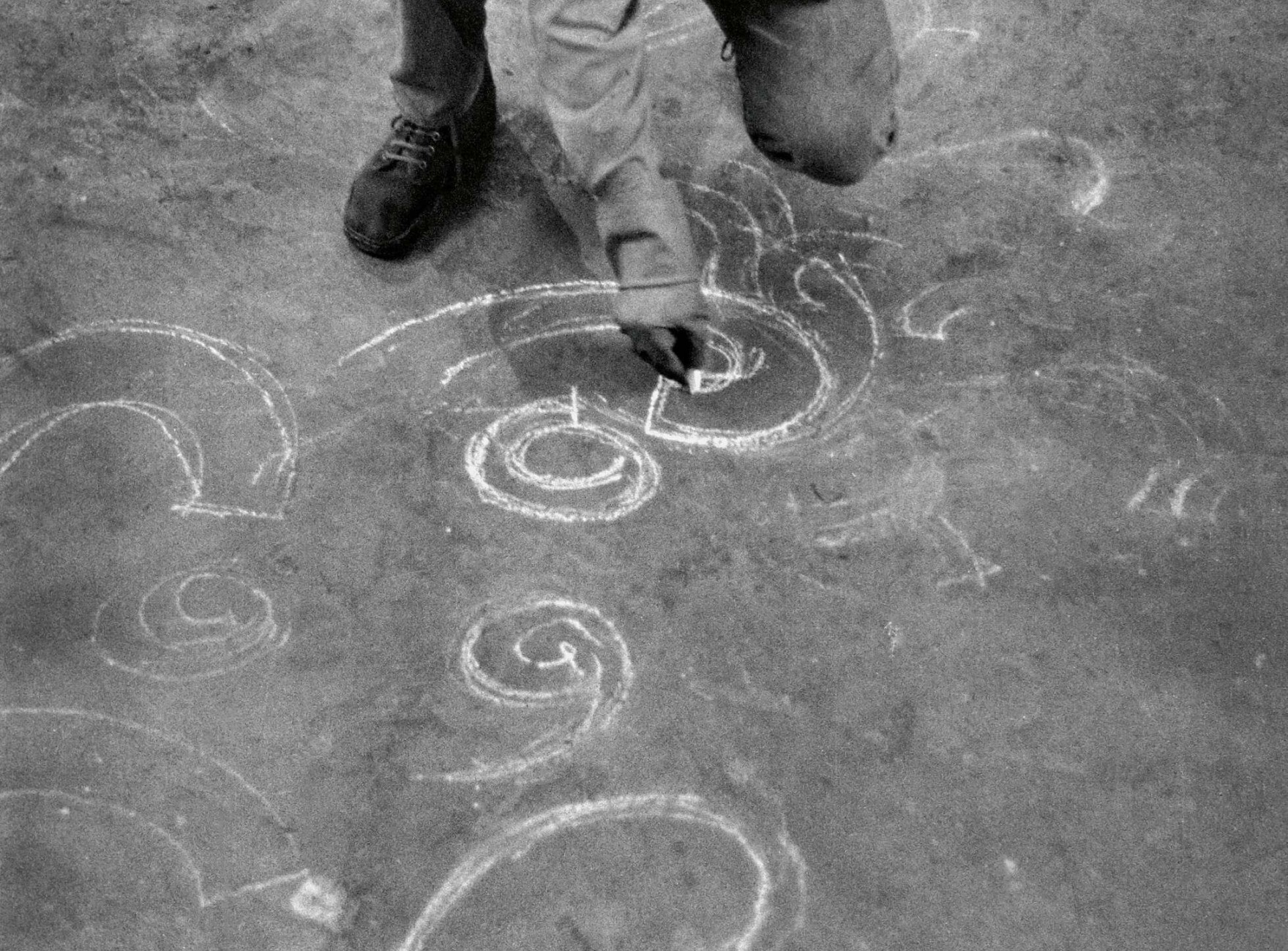
At 23 years of age, Chirino travelled to Madrid to study at the School of Art of San Fernando, and on completing his studies he immersed himself into a period of investigation of iron and Spanish forging. He studied the classics in Italy, and rounded off his training at the London School of Art. Following his return to the Canaries, he made the “Black Queens” series, works which were influenced by African art and surrealism. Martín Chirino joined the "El Paso" group in 1958, alongside Saura, Canogar, Feito, Millares, and Rivera... And then, from the moment the exhibition called New Spanish paintings and sculptors was put on in the MOMA, the presence of Chirino in the USA became frequent and periodic. From the 1970s onwards he created some monumental projects, inspired by the wind spiral, a vestige uncovered as part of the legacy left by the first dwellers of his homeland, the Canaries. He then continued with his research on African values, and he currently stands as a prestigious figure in Spanish abstract sculture.
From 1983 to 1990 he held the position of president of the Circle of Fine Arts in Madrid, while from 1989 until 2002 he was director of the Atlantic Modern Art Centre (CAAM in Spanish) in Las Palmas de Gran Canaria. In 2001 he was named Honorary Academic by the Canary Royal Academy of Art of San Miguel Arcángel.
He has also been awarded, among others, the International Budapest Biennial Sculpture Prize, 1978, the National Arts Award, 1980, the Gold Medal of Fine Arts, 1985, the Canary Arts Award, 1986, the CEOE National Sculpture Prize, 1989, the Madrid Fine Arts Medal of Honour, 1999, along with the 2002 Arts Award for the Comunidad de Madrid. In 2004 the Royal Mint Foundation awarded him the Tomás Francisco Prieto Medallística Prize. For this, he has made a medal entitled "Wind spiral, laud to Music" for the National Royal Mint Factory. His investiture as Honorary Doctorate by both the University of Las Palmas de Gran Canarias, 2008, and the Nebrija University of Madrid 2011. In 2014 he was appointed Honorary Academic at the Royal Academy of Art of San Fernando in Madrid.
In 2015 he inaugurated his Foundation in his native land. From the particular to the universal … this motto, which has inspired the artistic journey of the Canary sculptor, Martín Chirino, from the very beginning, guided the creation of the Fundación de Arte y Pensamiento, the organization that bears his name, conceived not only as a unique forum at which to contemplate the different stages of his work, but also as an active Humanities Center, one open to reflection and debate. Among its statutory goals, we might mention the promotion of the collection and the study, dissemination and promotion of artistic heritage and the figure and creative work of the artist, as well as the complete cataloguing of his creations.
In this respect, the aim is to maintain a lively dialogue between the Castillo de La Luz and contemporary art, featuring activities and temporary exhibitions capable of generating solid theses and which serve as a meeting point for the most diverse artistic and cultural disciplines and between the past and the present. At the same time, the mission that gives meaning to this new Canary Foundation is to contextualize and promote the valuable legacy of the Canary Islands’ culture in today's complex world. And Martín Chirino’s work provides an ideal means to achieve this goal. In short, it is a question of promoting a perfectly coherent dialogue, in accordance with the initial motto: Martín Chirino, the Canary Islands and the World.
He passed away in 2019 at the age of 94. A full life dedicated to working with iron, his faithful companion, and to forging and drawing the Wind in its manifestation through the spiral, thinking of its form as an allegory of the horizon. A dream, "to move the horizon," that marked him since childhood
Martín Chirino uses iron as a conductive metal for his work which seeks its maximum expressive potential with the minimum use of materials. His sculptures are generally on a large scale, and respond to a double impulse: on the one hand, they represent dialogue with primitive art and materials from the native landscape of the Canary Islands, seen through the eyes of imaginative evocation and the memory of the adolescent artist who dreamt of one day moving the horizon from its beach; on the other hand, a powerful impulse that generates a whole host of geometries in space, generally curves (as in spirals), capable of lighting up the space around them, while at the same time being, for those looking on, an enigma and revelation.
For more information about the life and work of Martín Chirino, please visit the artist's website.