- ESPAÑOL
- ENGLISH
- Foundation
- Collection
- Visits
- News
- Education
- Foundation's Friends
- ESPAÑOL
- ENGLISH
- Foundation
- Collection
- Visits
- News
- Education
- Foundation's Friends
Óscar Domínguez, Manolo Millares, Martín Chirino: una mirada insular
13/06/2017 - 01/10/2017 10:00 - 19:00
Castillo de la Luz
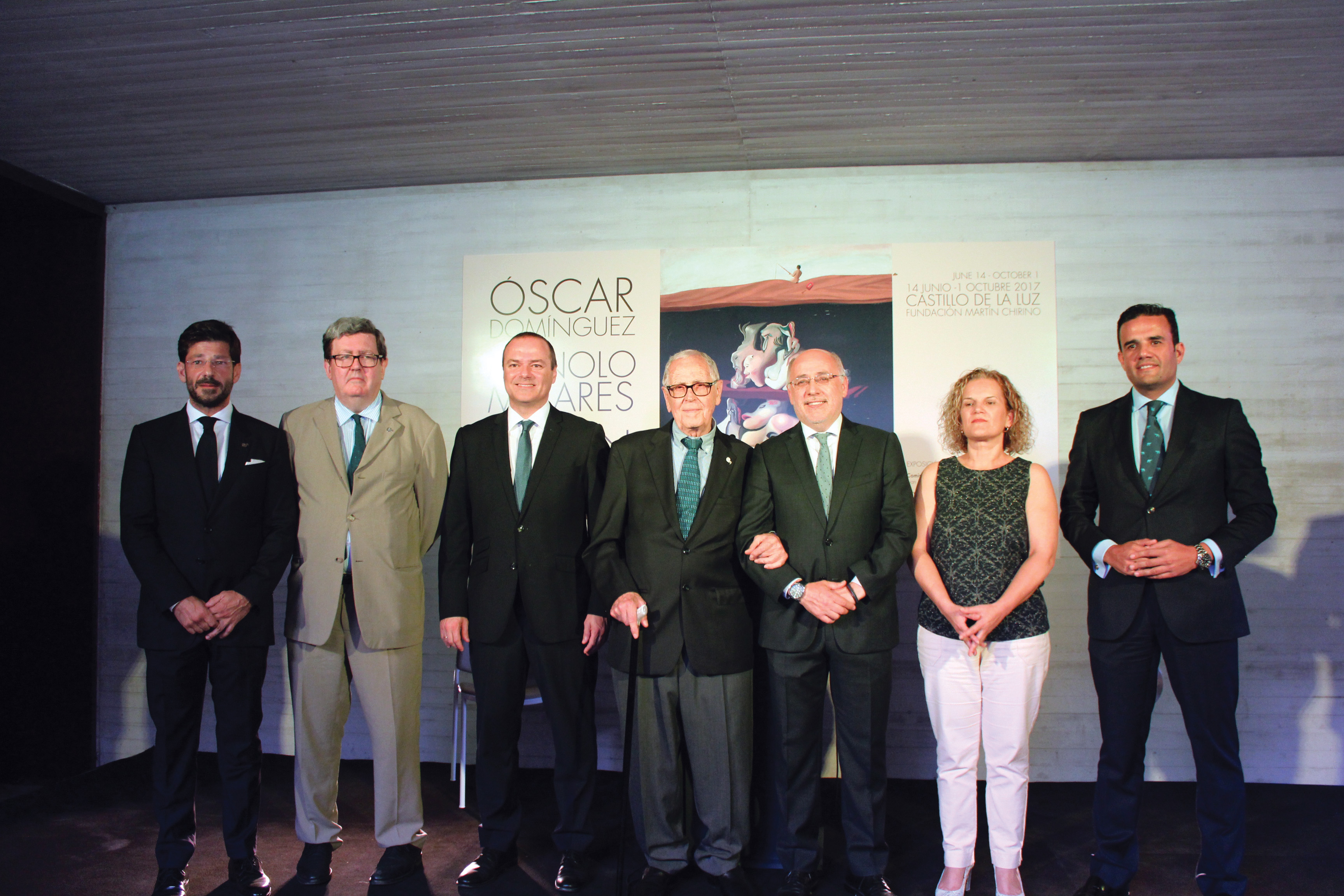
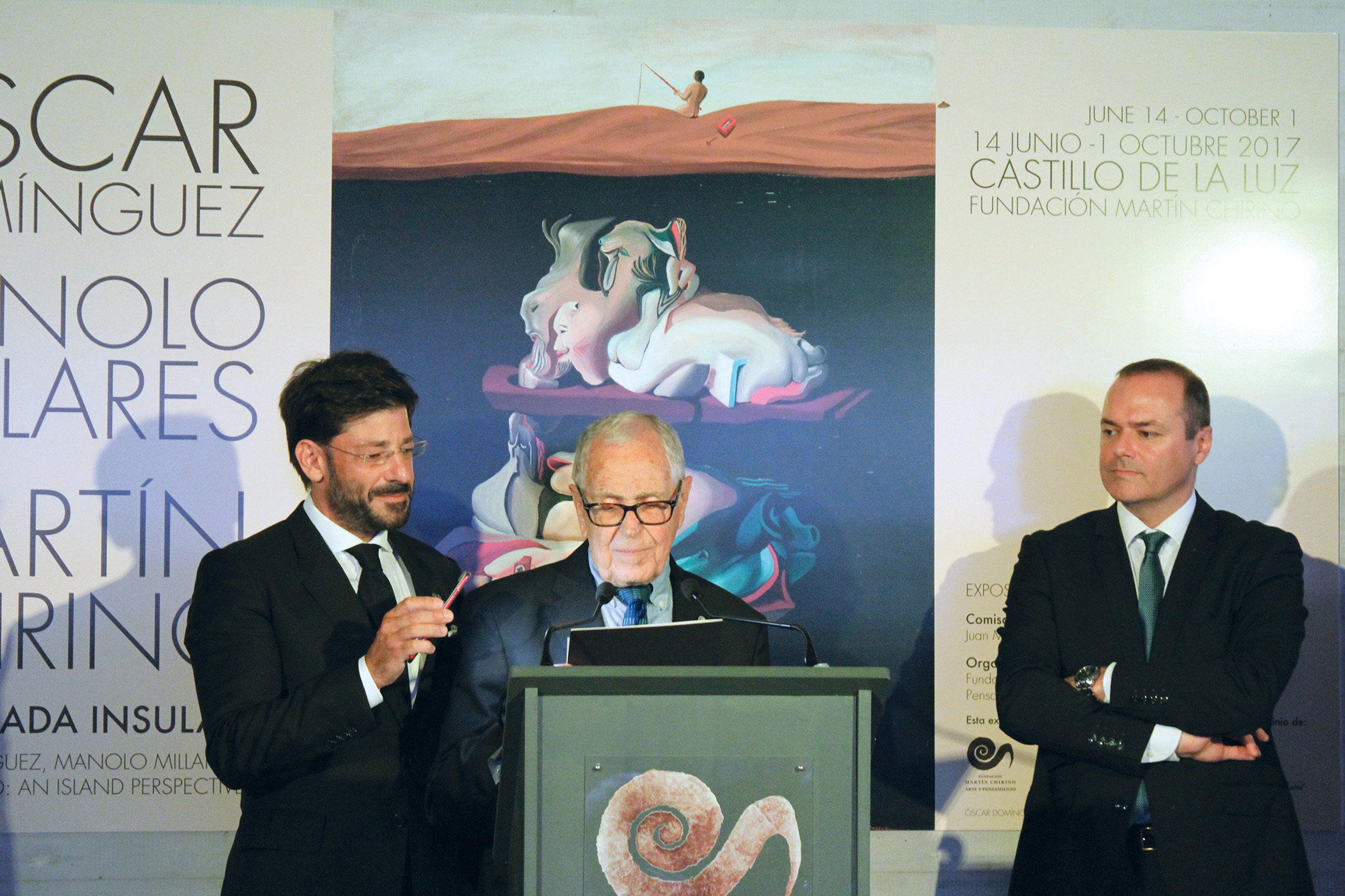
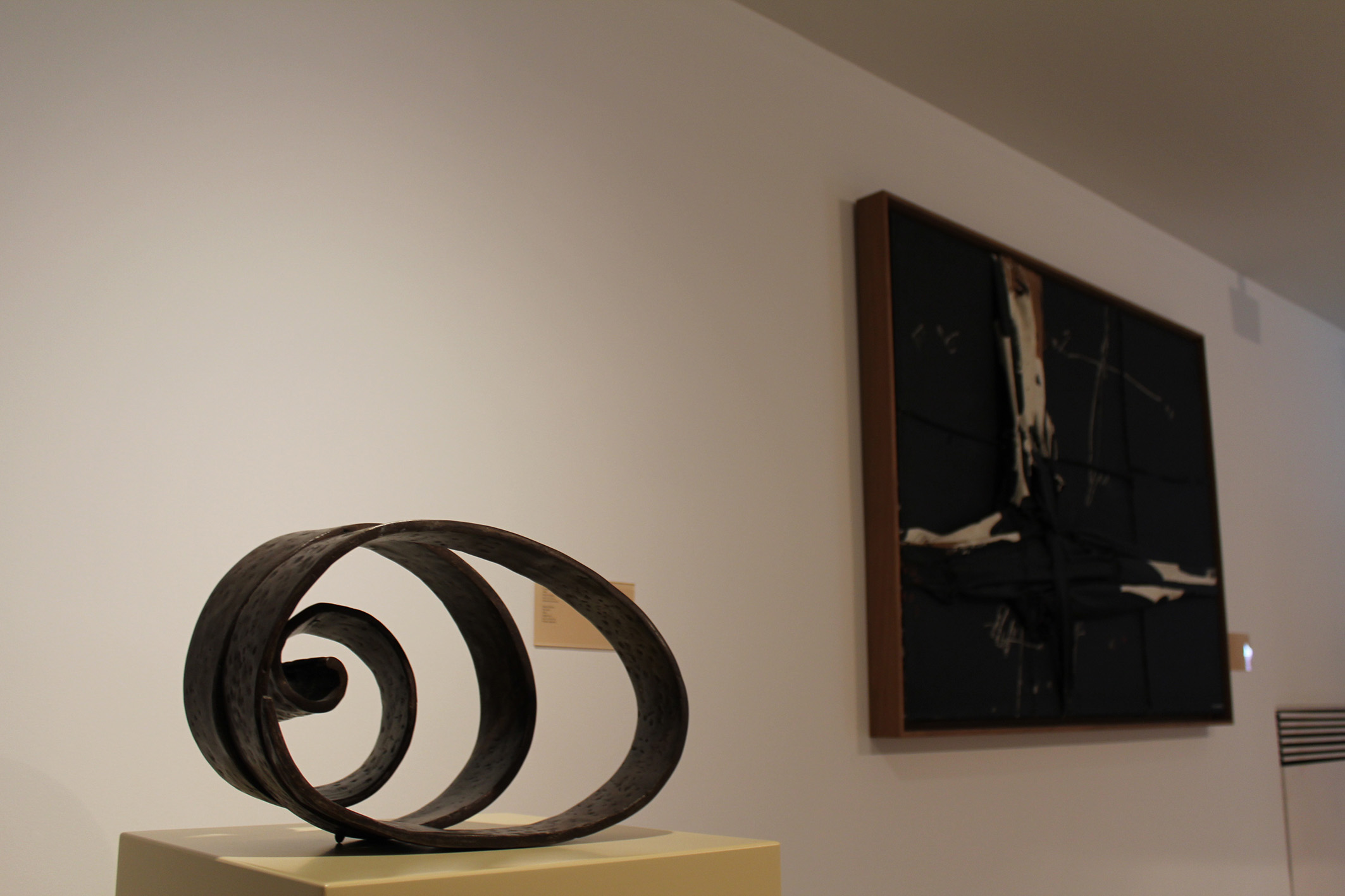
The exhibition, curated by Juan Manuel Bonet, highlights the existence of a common thread in the vision of the Canary Islands' origins in the work of these three creators; from Óscar Domínguez from Tenerife, an emblematic representative of the historical avant-gardes in the Islands, to Manolo Millares and Martín Chirino from Gran Canaria, prominent artists of the mid-century, both members of the legendary El Paso Group, and whose early works pay tribute to the aboriginal culture.
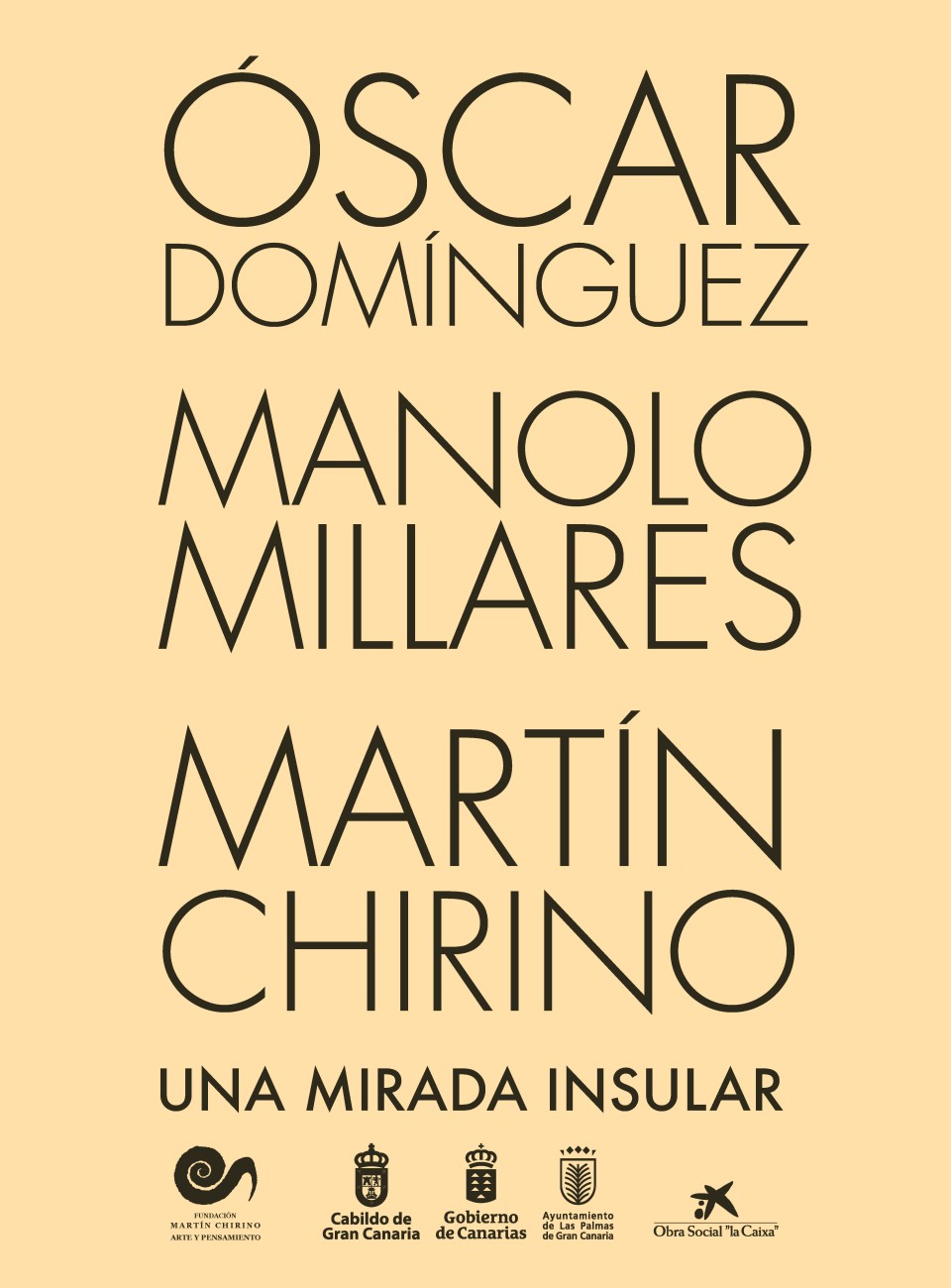

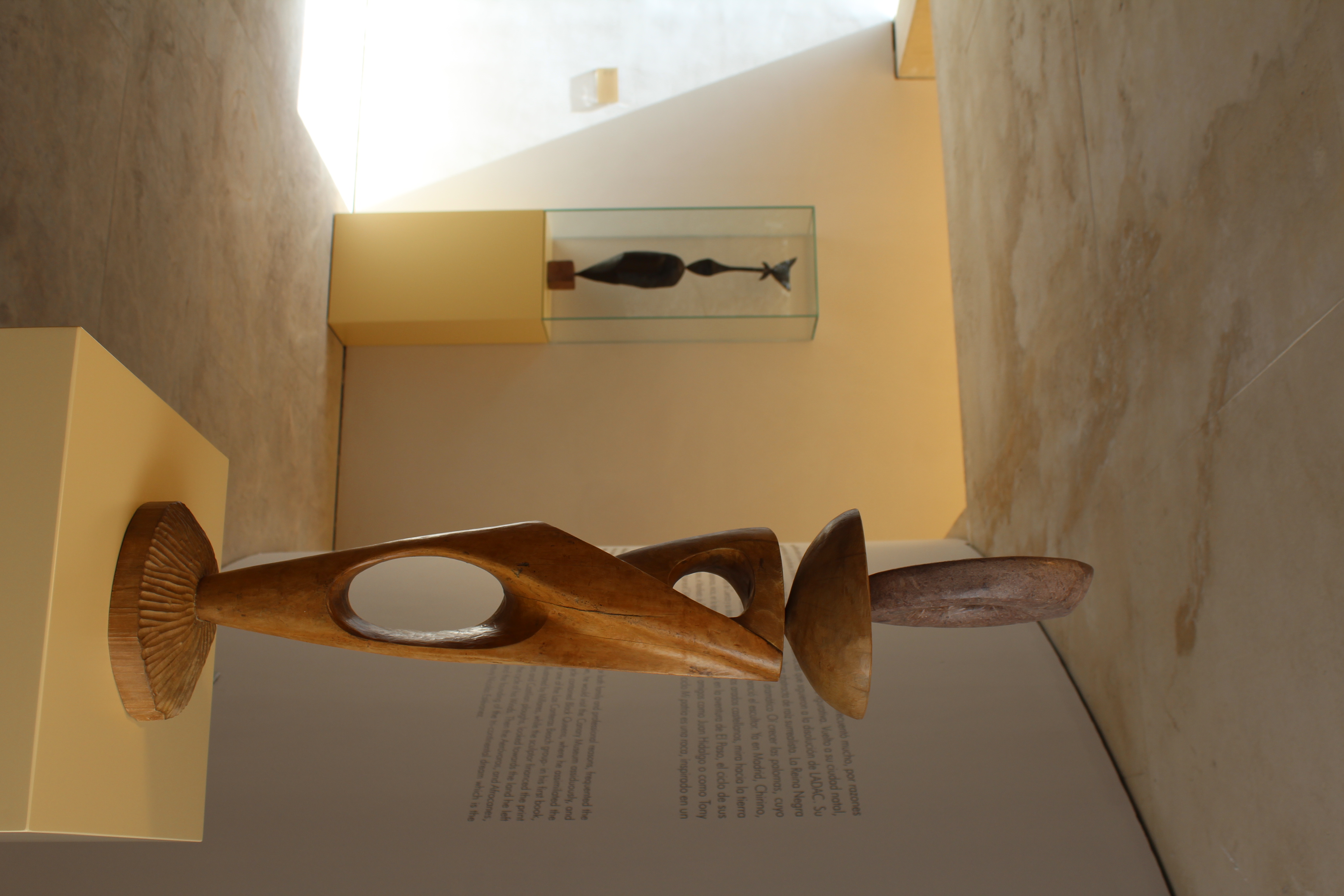
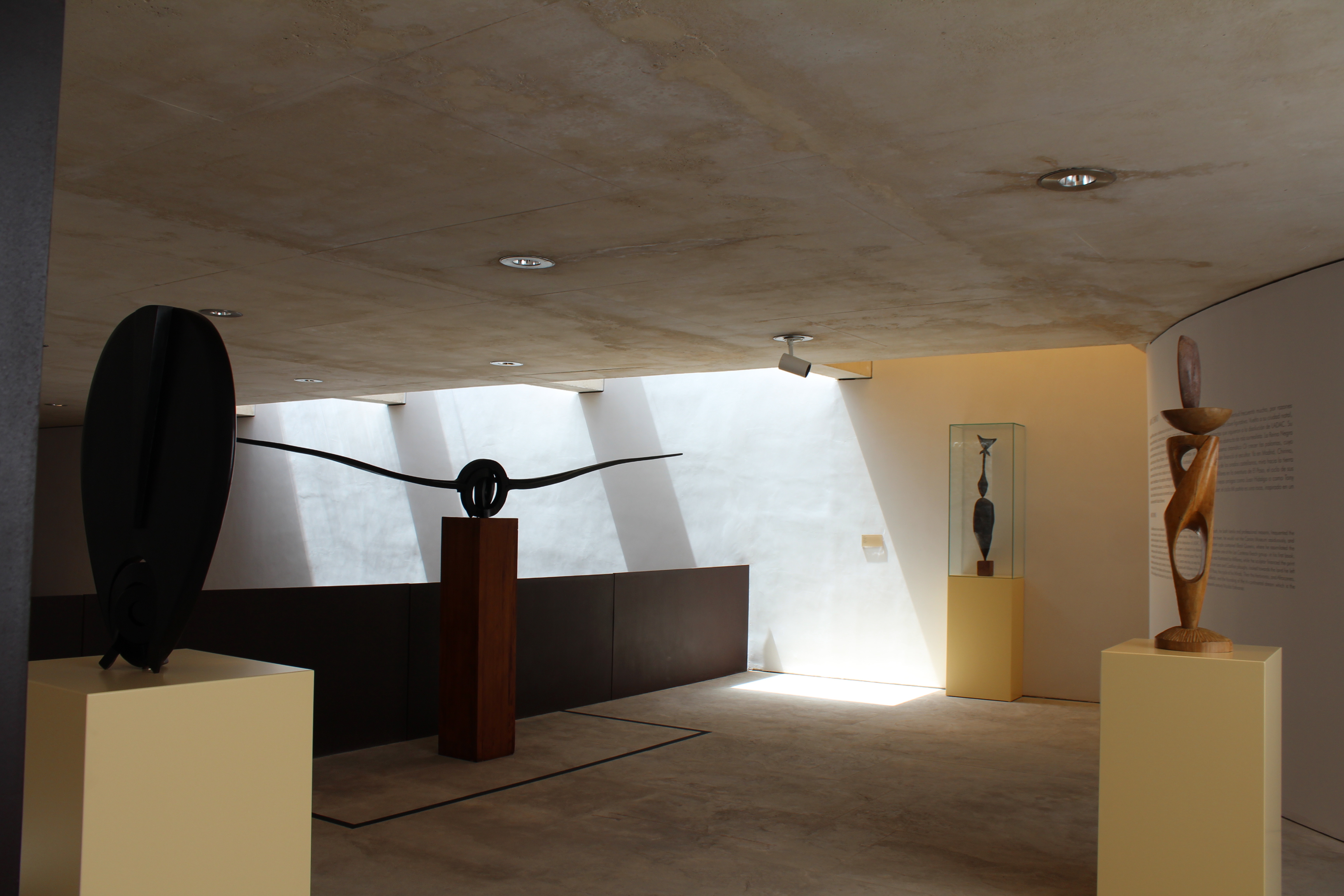
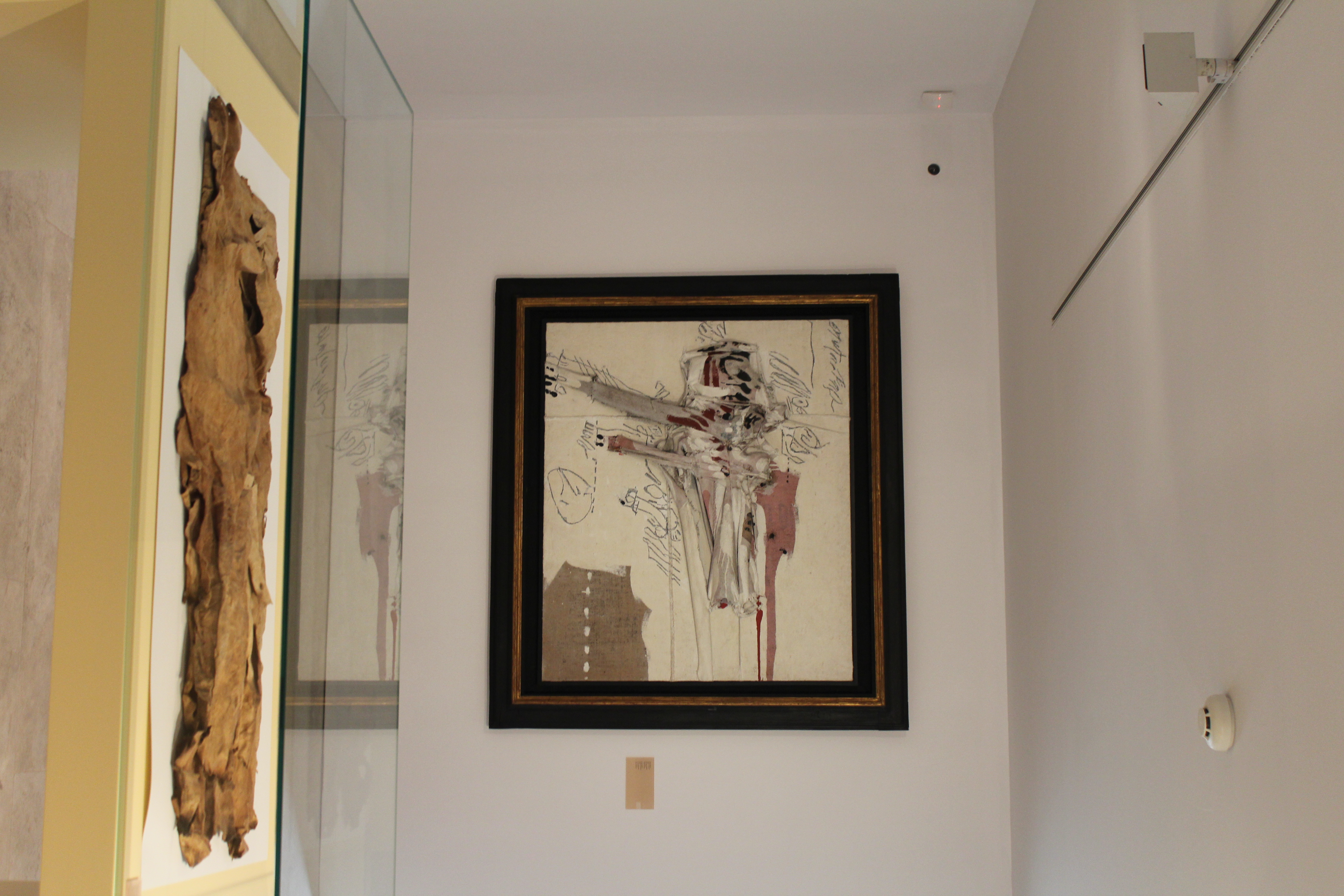
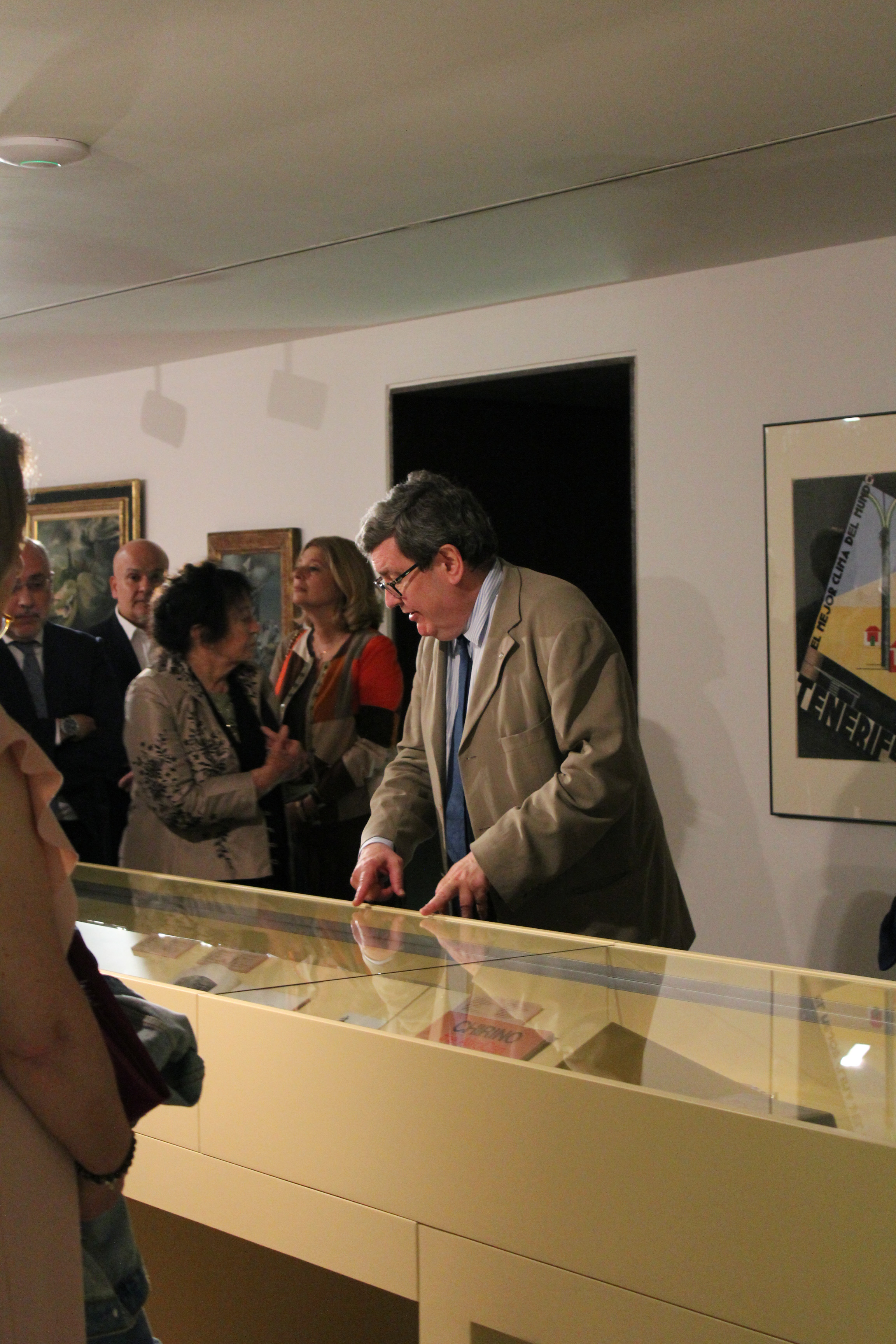
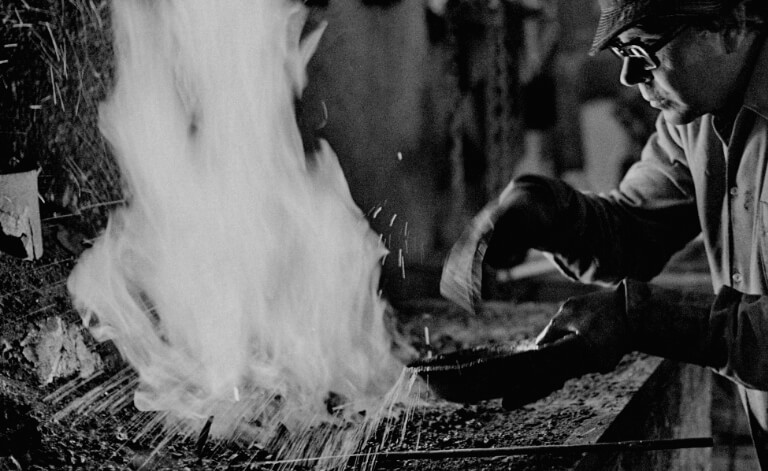
The exhibition unites the vision of the Canary archipelago of Óscar Domínguez, from Tenerife, and more generally of the pre-war avant-garde, centered around the magazine Gaceta de Arte, with that of two artists from the Generation of '50, both from Gran Canaria: Manolo Millares and Martín Chirino. This connection is supported by Domínguez's painting, titled Cueva de Guanches (Cave of the Guanches), which is echoed in the works of Millares—especially his Pictografías Canarias (Canary Pictographs) and Aborígenes (Aboriginal People)—and Chirino—especially his Vientos (Winds)—both born from their reflections on the islands' pre-Hispanic art, which they discovered during visits to the Museo Canario (Canary Museum), where they were particularly interested in the pintaderas (painted clay stamps) and funerary bundles. A series of display cases will present various materials from that institution. In addition to the pieces already mentioned, the exhibition will include El Drago (The Dragon Tree), as well as works from Domínguez's cosmic period. His collaborations with Agustín Espinosa—the author of Lancelot 28º -7º and the first interpreter of José Jorge Oramas's paintings—and other writers of his generation were also documented, as well as André Breton's visit to the island, who famously dubbed the painter "the dragon tree of the Canary Islands." In Millares's case, we will recall his youthful admiration for the postmodernist poet Alonso Quesada; the connection between the mummies in the Museo Canario and his arpilleras, especially those from the Homunculus cycle; his reading of a key Indo-Americanist book, Universalismo Constructivo, by Joaquín Torres-García; his persistent interest in archaeology; and his gaze upon the Sahara Desert. Finally, in Chirino's case, in addition to showcasing some of his early Black Queens, we will highlight the continuity between his Winds, his Afrocanes, and his Aeróvoros. Both Millares and Chirino, moreover, connected with the Gaceta de Arte generation, and in a very special way with its director, the critic and photographer Eduardo Westerdahl, whose figure is another common thread of the exhibition.
The exhibition comprises approximately 50 pieces, including documents, paintings, and sculptures.